

What to See at Doge’s Palace
Explore the most iconic rooms and must-see highlights at Doge’s Palace. From the ornate Halls of the Doges to the famous Bridge of Sighs and underground prisons, discover what makes this Venice landmark unforgettable.
Top Highlights at Doge’s Palace
The headline sights and experiences most visitors want to see first.
Chamber of the Great Council
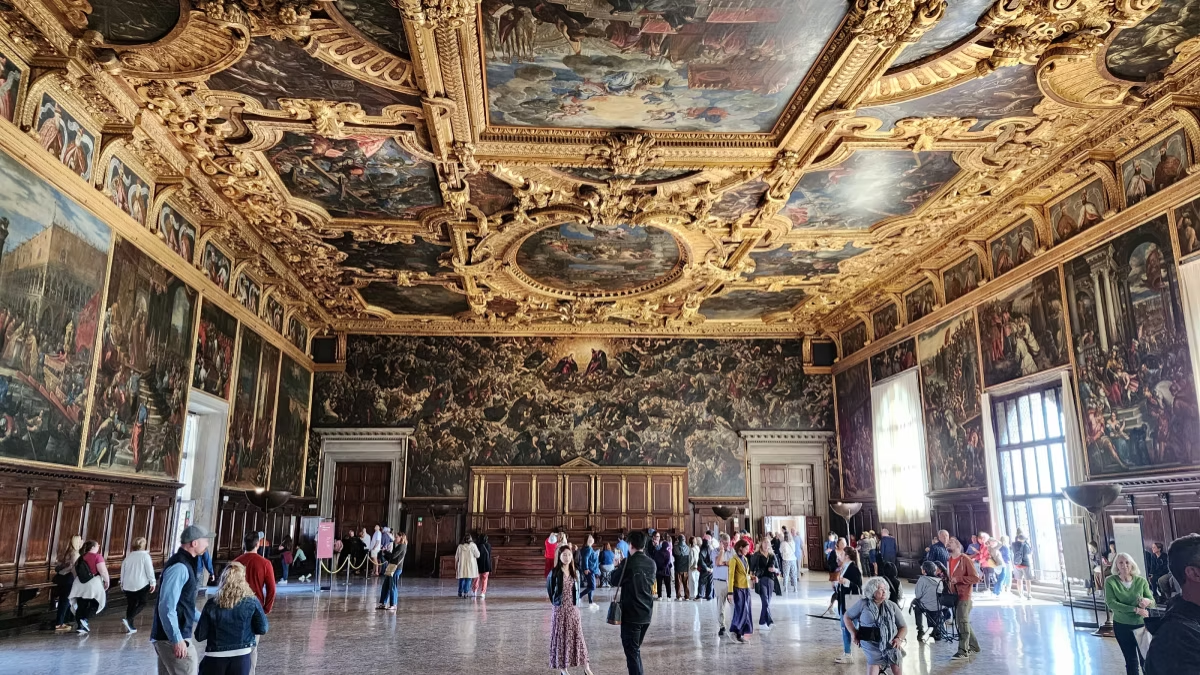
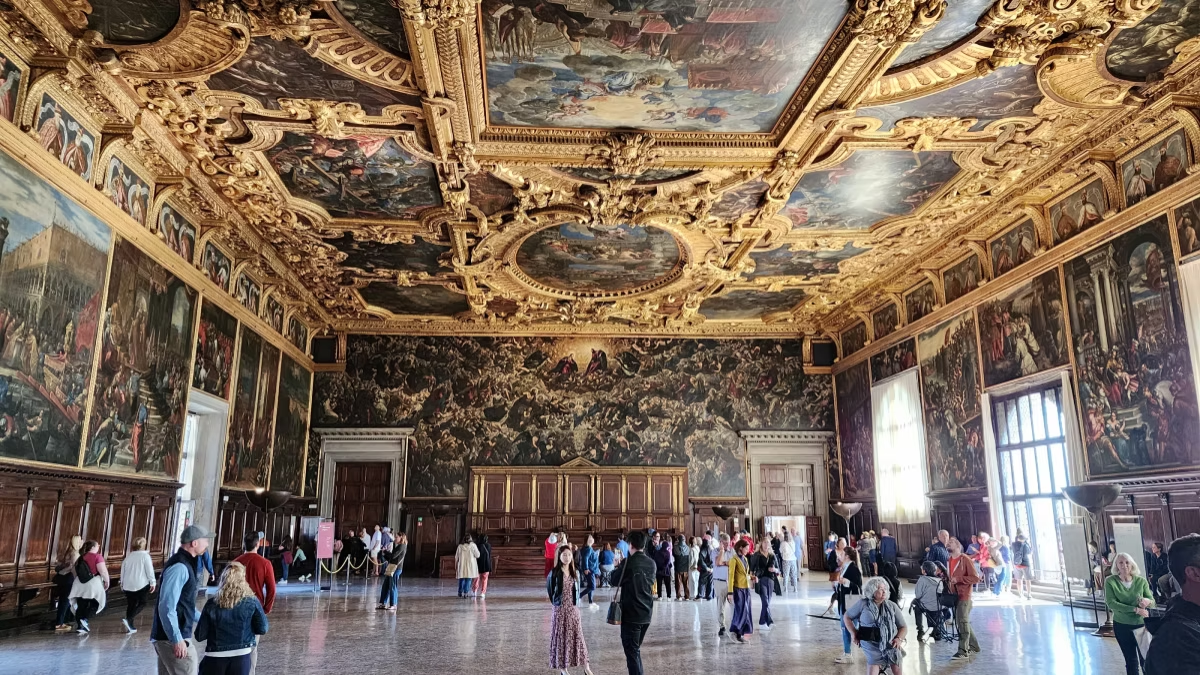
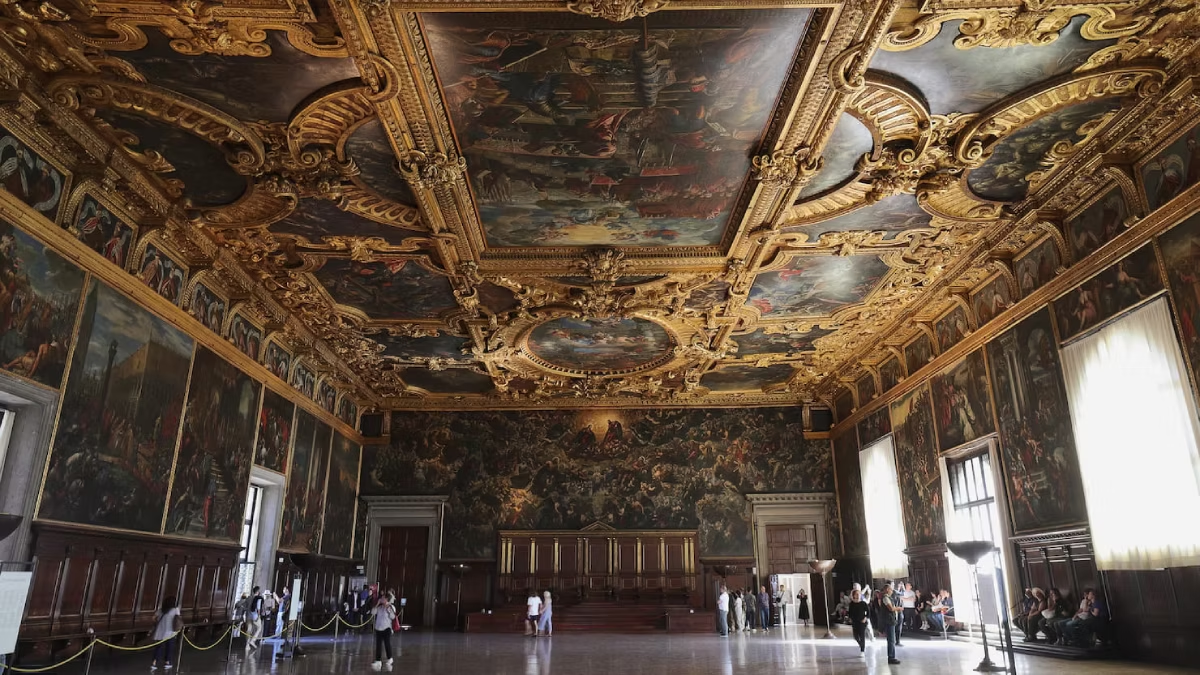
The largest room in the palace and one of the most awe-inspiring in Venice — a cavernous hall where 2,000 Venetian noblemen once gathered to govern the Republic. Tintoretto’s Paradise dominates the entire end wall, the largest oil painting in the world at 22 by 7 metres. Seventy-six doge portraits line the upper walls in gilded frames; one is blacked out — Marin Falier, executed for treason. The ceiling paintings by Veronese and Tintoretto have been restored to their original brightness and are best viewed from the centre of the room.
Explore →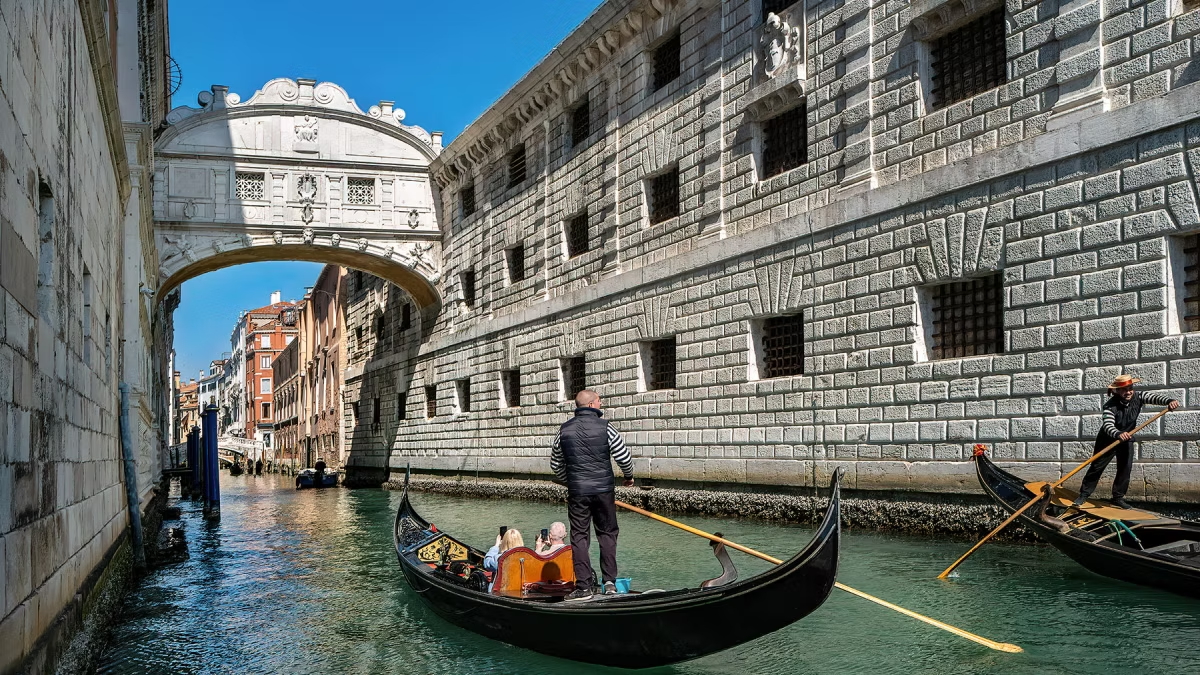
Bridge of Sighs & New Prisons
Cross the enclosed limestone bridge that carried prisoners from the courtroom to their cells, walking the same narrow corridors divided into two parallel passageways — one for the condemned heading to the New Prisons, one for those returning for interrogation. Designed by Antonio Contin and completed in 1603, the bridge’s delicate stone lattice screens gave prisoners their last glimpse of the Venice lagoon. On the prison side, you’ll enter the remarkably well-preserved Prigioni Nuove, among the first purpose-built prison complexes in Europe, where the cramped cells and heavy iron doors make the grandeur of the palace halls feel worlds away.
Explore →Grand Halls of Doge’s Palace
The magnificent council chambers and senate halls where Venice was governed.
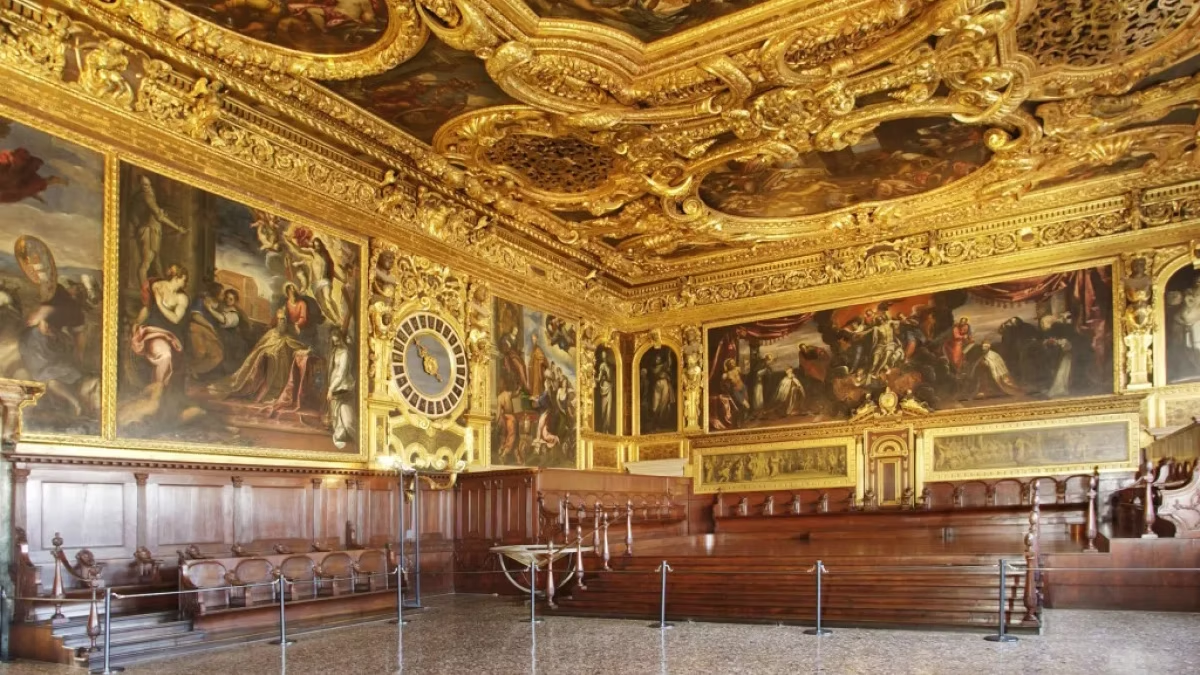
Hall of the Senate, Doge’s Palace
See Tintoretto’s stunning ceiling frescoes and discover where Venice’s Senate convened to govern the Republic.
Read guide →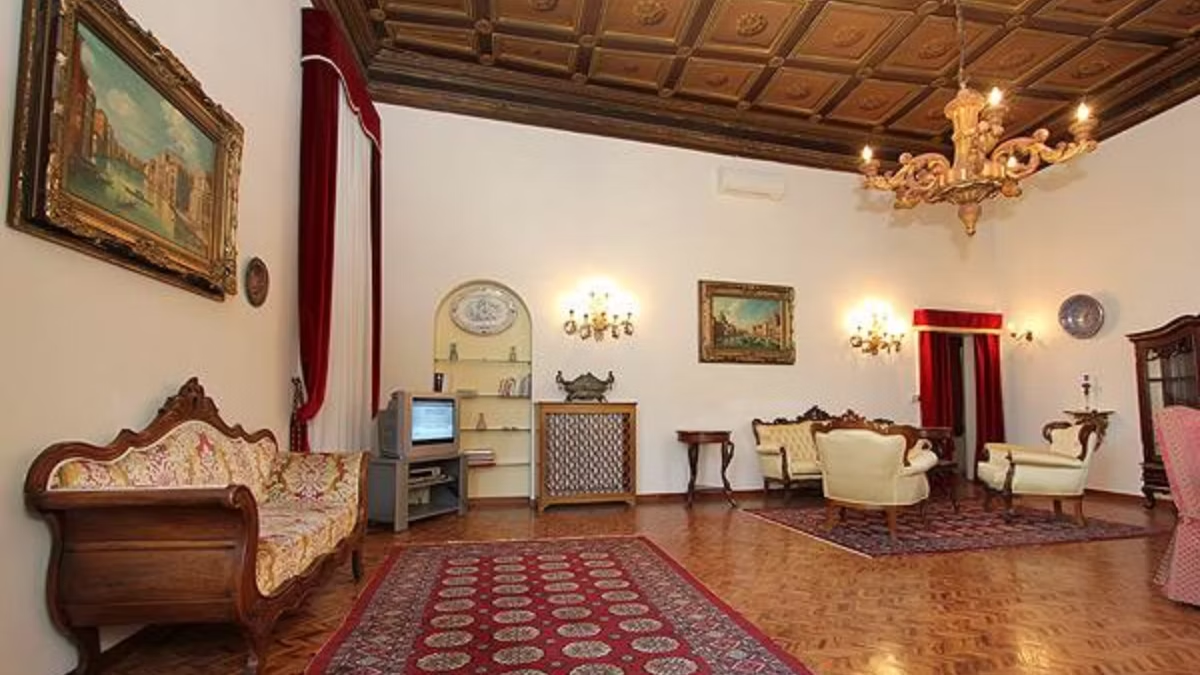
Doge’s Apartments: Residential Rooms
Eight elegant residential rooms where elected Doges lived, featuring Titian, Carpaccio artworks, and rare Mercator world maps. Window into Renaissance palatial living and art patronage.
Read guide →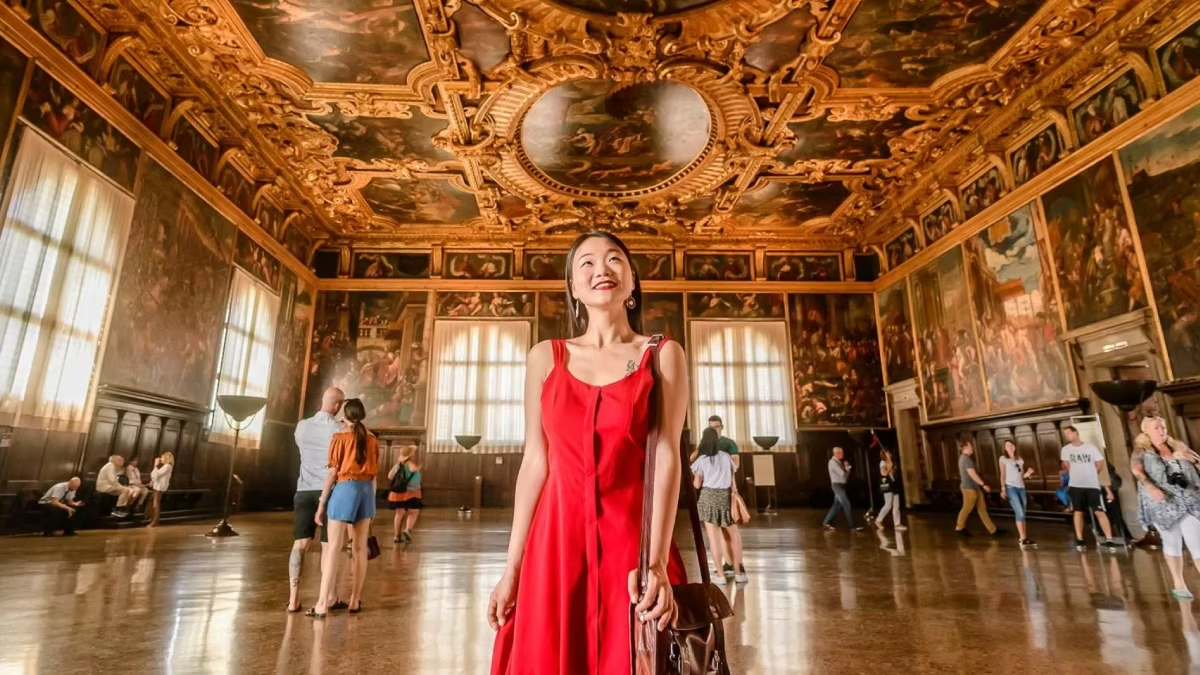
Doge’s Palace: Every Room
Complete guide to all 30 rooms across four floors — from the Doge’s private apartments and Council of Ten chambers to the armoury and the route across the Bridge of Sighs.
Read guide →Art and Masterpieces Inside Doge’s Palace
Paintings, decorated ceilings, and iconic artworks throughout the palace.
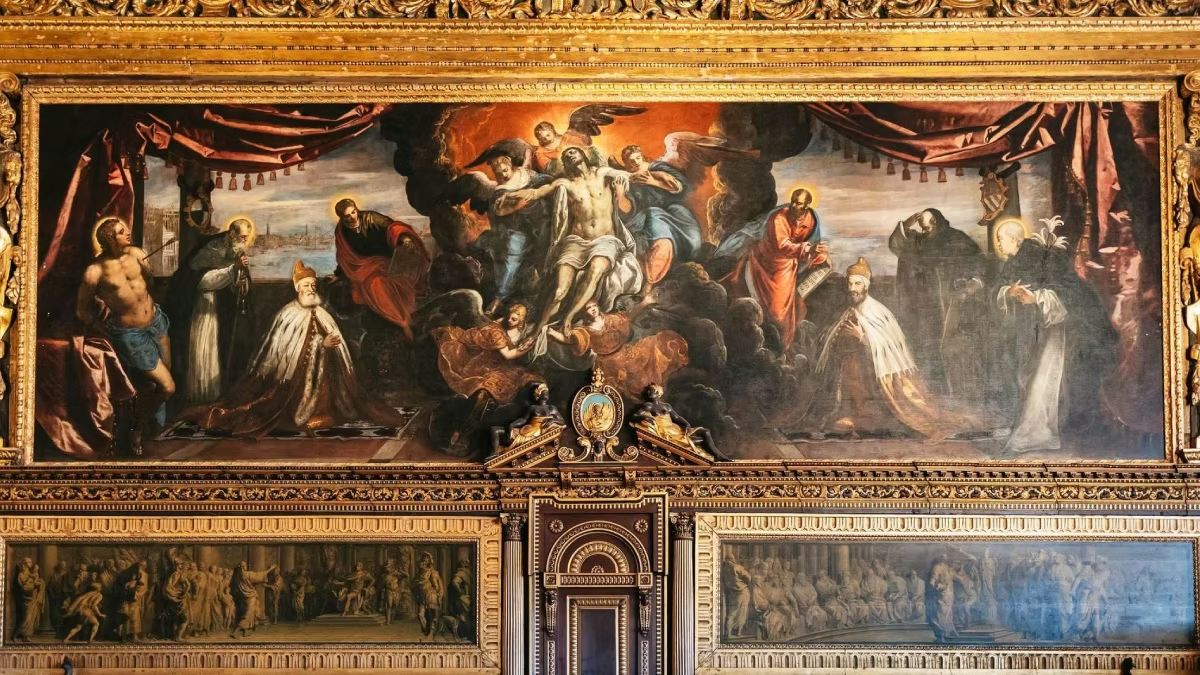
Doge’s Palace Artworks: Paintings & Sculpture
Masterpieces by Tintoretto, Veronese, Titian, Carpaccio, and Sansovino scattered throughout the palace. Discover where to find each essential work and what makes it significant.
Read guide →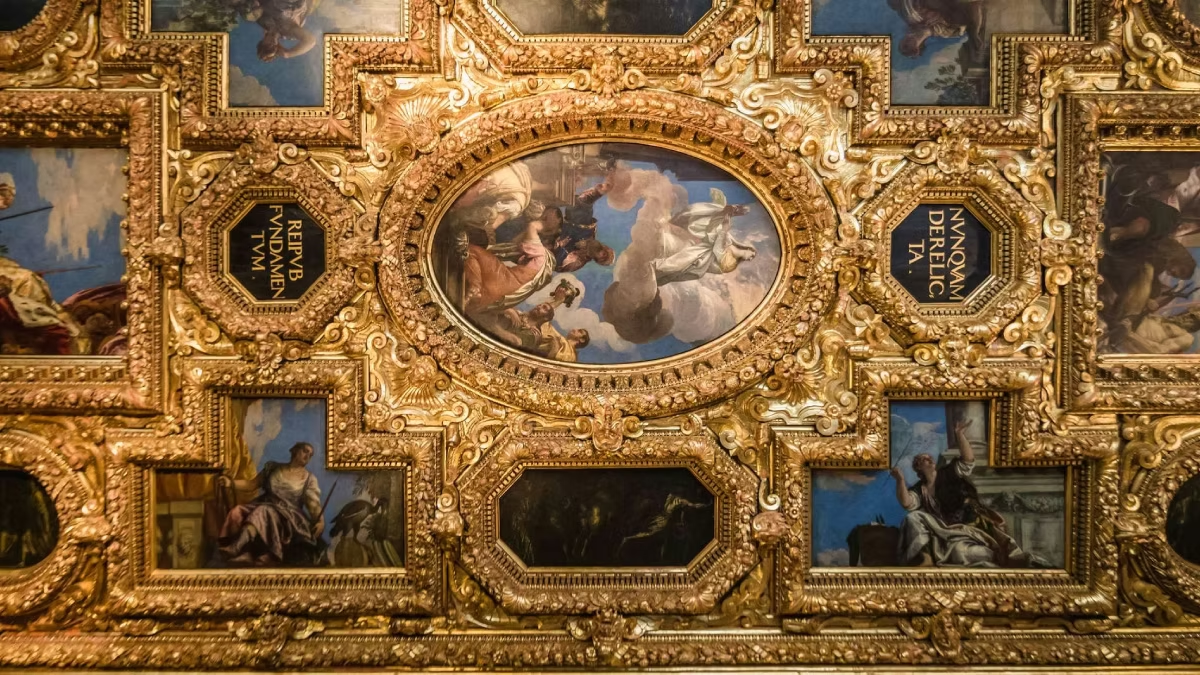
Veronese’s Ceilings in Doge’s Palace
Admire Paolo Veronese’s breathtaking ceiling frescoes — from the Sala del Collegio’s masterpiece to the Apotheosis of Venice — showcasing Renaissance art at its finest.
Read guide →Architecture and Design of Doge’s Palace
The Gothic façade, courtyard, and the famous Golden Staircase.
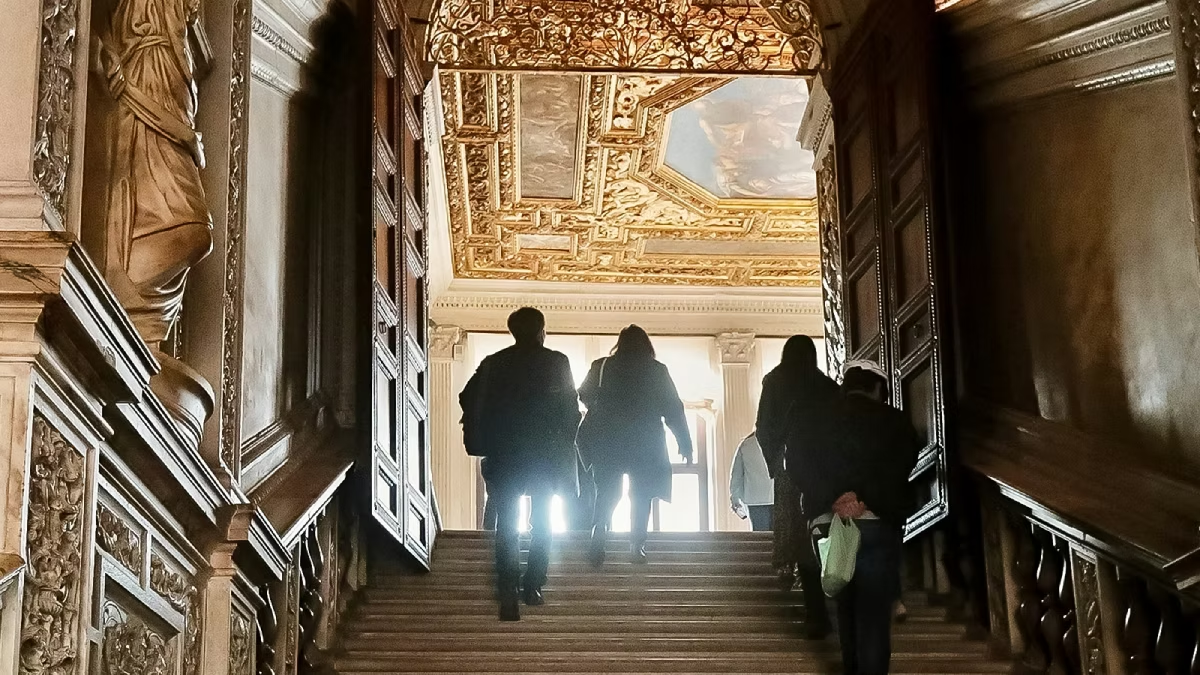
Golden Staircase (Scala d’Oro)
Sansovino’s 1538 masterpiece featuring Alessandro Vittoria’s ornate gold-leaf stucco. The palace’s ceremonial entrance showcasing Renaissance craftsmanship and opulence at its finest.
Read guide →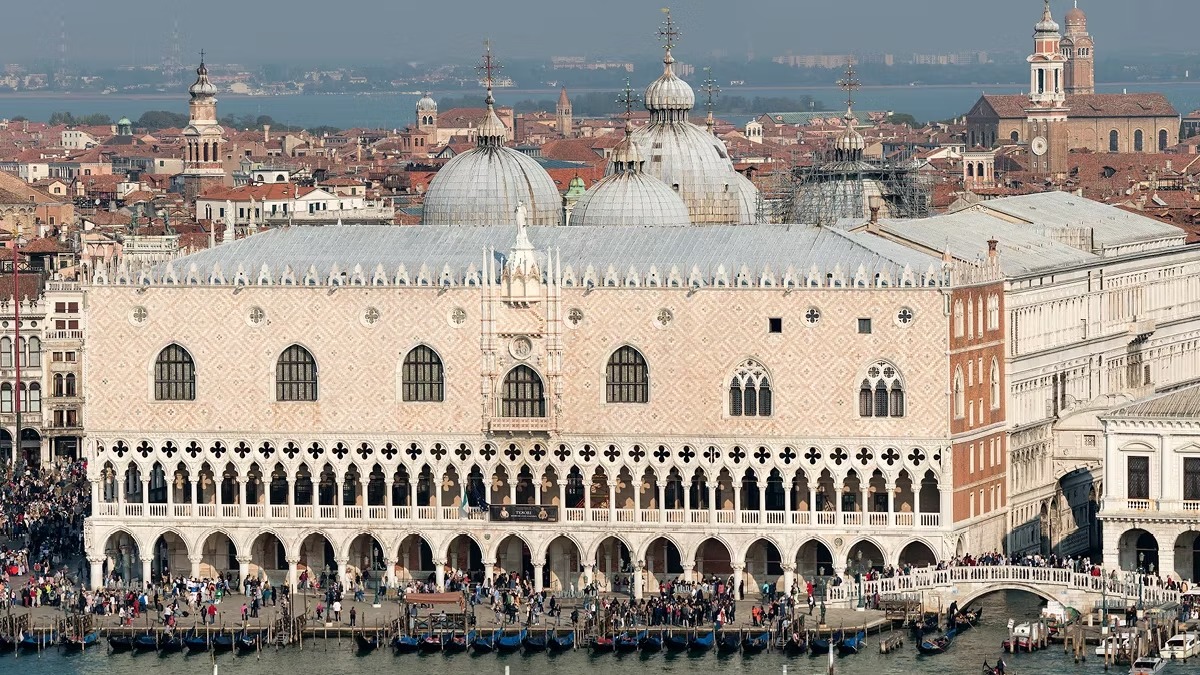
Doge’s Palace Venetian Gothic Architecture
Explore the stunning Venetian Gothic façade built 1309-1424 by brothers Bartolomeo and Giovanni Buon. Distinctive pink and white stone pattern and ornate arcades showcase architectural evolution across centuries.
Read guide →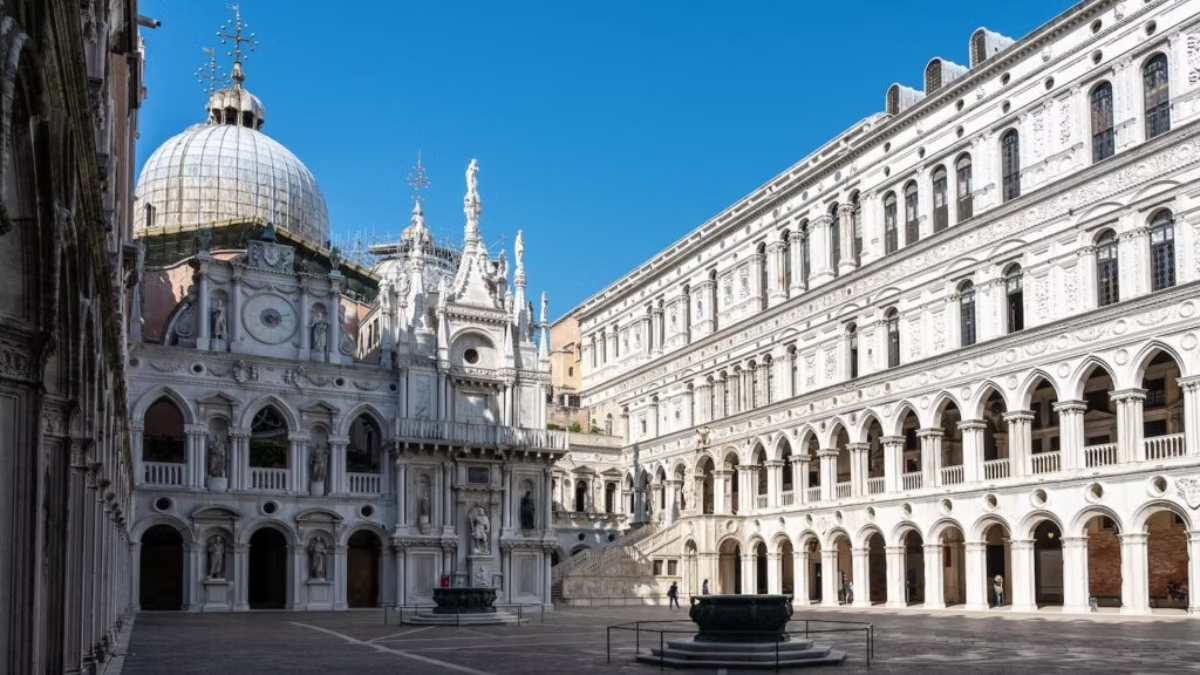
Doge’s Palace Façade & Courtyard
Iconic Venetian Gothic exterior including Porta della Carta gateway, Giants’ Staircase with Mars and Neptune sculptures, and the Foscari Arch. Intricate carved architectural details throughout.
Read guide →History and Collections at Doge’s Palace
The rulers who shaped Venice and the palace armoury they left behind.
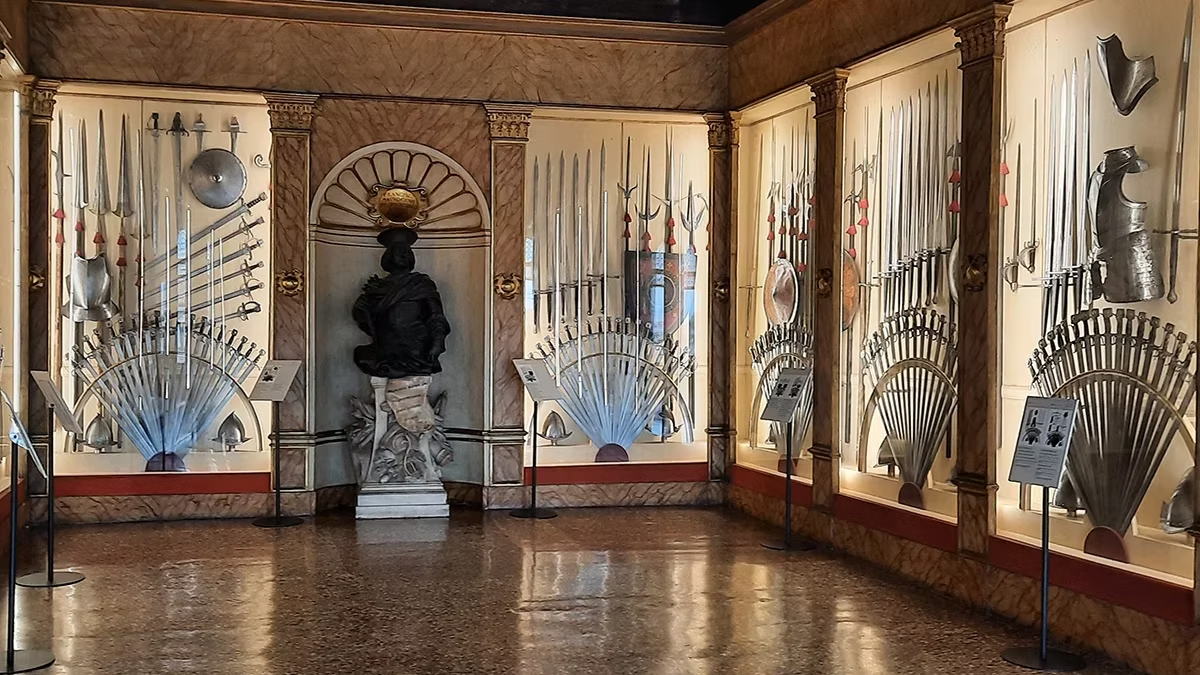
Doge’s Palace Armoury: Weapons Collection
Four rooms housing over 2,000 weapons including Henry IV’s armour and Turkish trophies from the 1571 Battle of Lepanto. Fascinating insight into Venice’s maritime military power and history.
Read guide →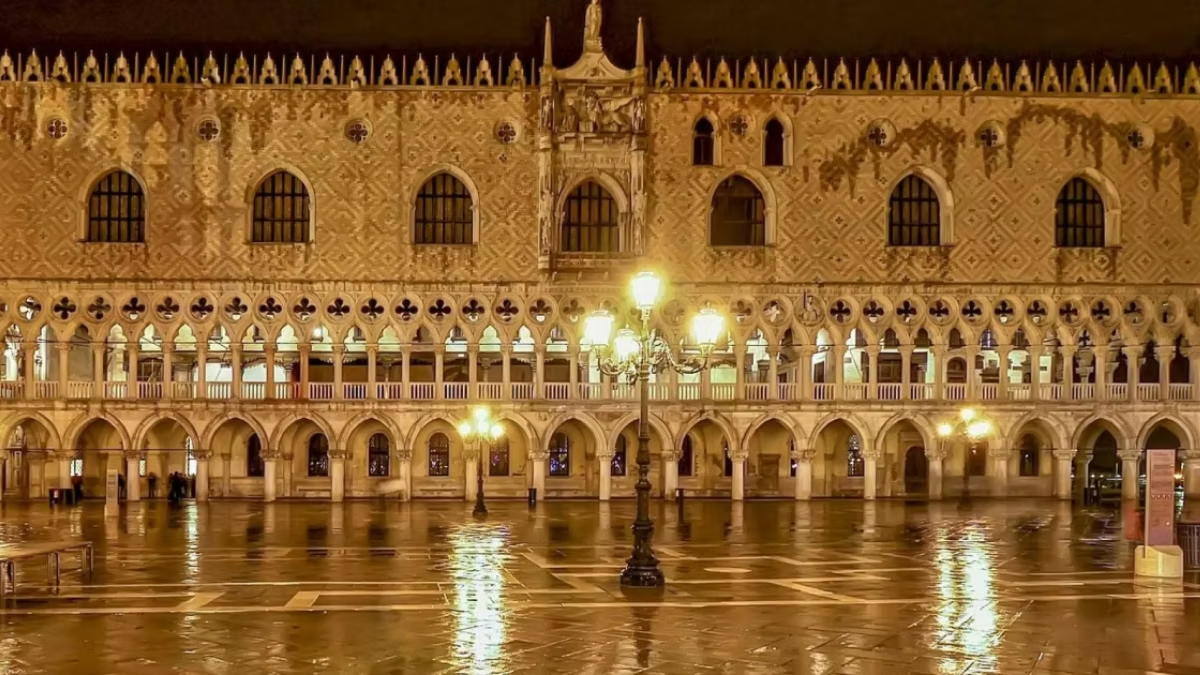
Doges of Venice: Elected Rulers
Discover the elected rulers who governed Venice for over 1,000 years — their powers, constraints, and evolution from medieval magistrates to symbols of the Republic.
Read guide →How to Choose What to See at Doge’s Palace
A quick guide based on your interests and visit style.
Only Have One Hour
Focus on the three spaces that define Doge’s Palace and skip the rest without regret.
- Climb the Golden Staircase — it sets the tone for everything that follows
- Stand beneath Tintoretto’s Paradise in the Chamber of the Great Council, the largest oil painting in the world
- Cross the Bridge of Sighs into the prison cells for a sharp change of mood
Architecture Lovers
Doge’s Palace is one of Europe’s finest Venetian Gothic buildings — here’s where to look closely.
- Study the façade and courtyard before going inside — the inverted arcade design breaks every medieval rule
- Compare Sansovino’s Renaissance Scala d’Oro stucco work against the Gothic exterior
- Note how the Bridge of Sighs uses Baroque limestone to connect two buildings from entirely different centuries
- Read the full architecture guide for details on the 1309–1424 construction phases
Visiting With Kids
Skip the paintings-heavy rooms and head straight for the spaces that tell stories kids can feel.
- The Armoury has over 2,000 weapons including a suit of armour that belonged to a real king — Henry IV of France
- Walk through the Bridge of Sighs and into the prison cells where Casanova once escaped
- Let them count the 76 doge portraits lining the walls of the Great Council chamber — one is blacked out as punishment
Art Enthusiasts
Tintoretto, Veronese, and Titian all competed for commissions here — the palace is a Renaissance gallery in disguise.
- Spend time with Veronese’s ceilings in the Sala del Collegio — they rival the Sistine Chapel for sheer ambition
- Compare Tintoretto’s dramatic style in the Hall of the Senate against Veronese’s luminous colour palette one room away
- Seek out Titian and Carpaccio in the Doge’s private apartments, often overlooked by crowds
- Use the full artworks guide to locate specific masterpieces room by room
Continue Exploring Doge’s Palace
Book your tickets and plan the practical details of your visit.
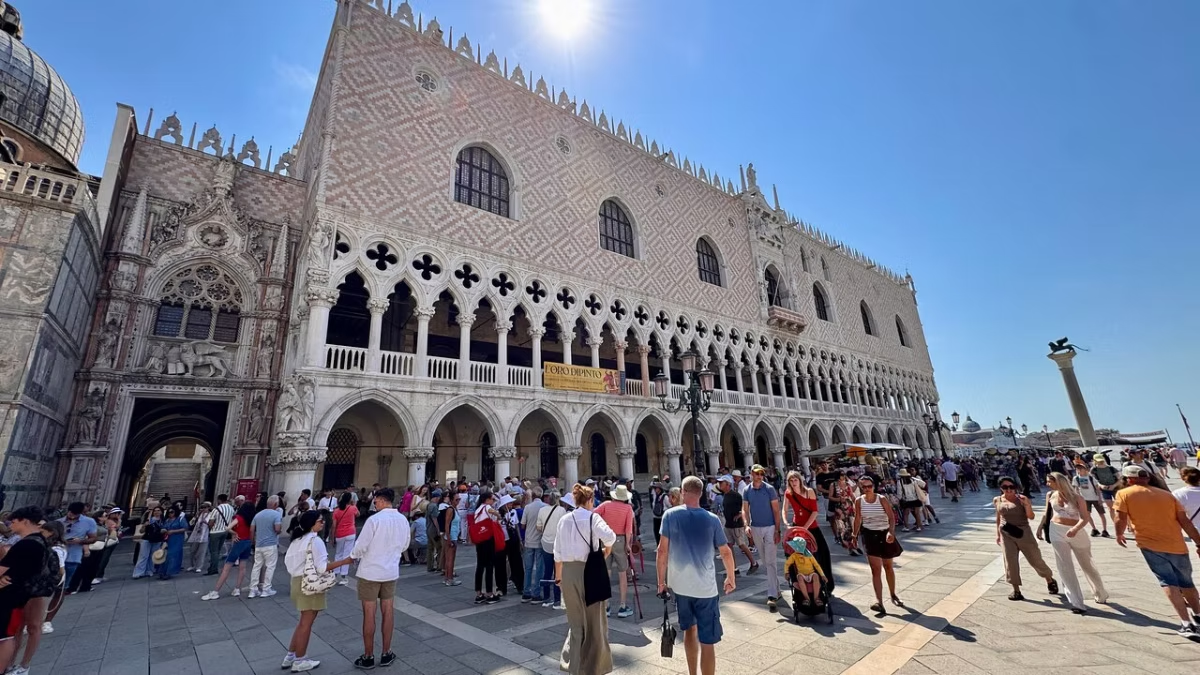
Tickets & Tours
Compare all ticket options, guided tours, combo deals, and book your preferred experience.
Compare all tickets →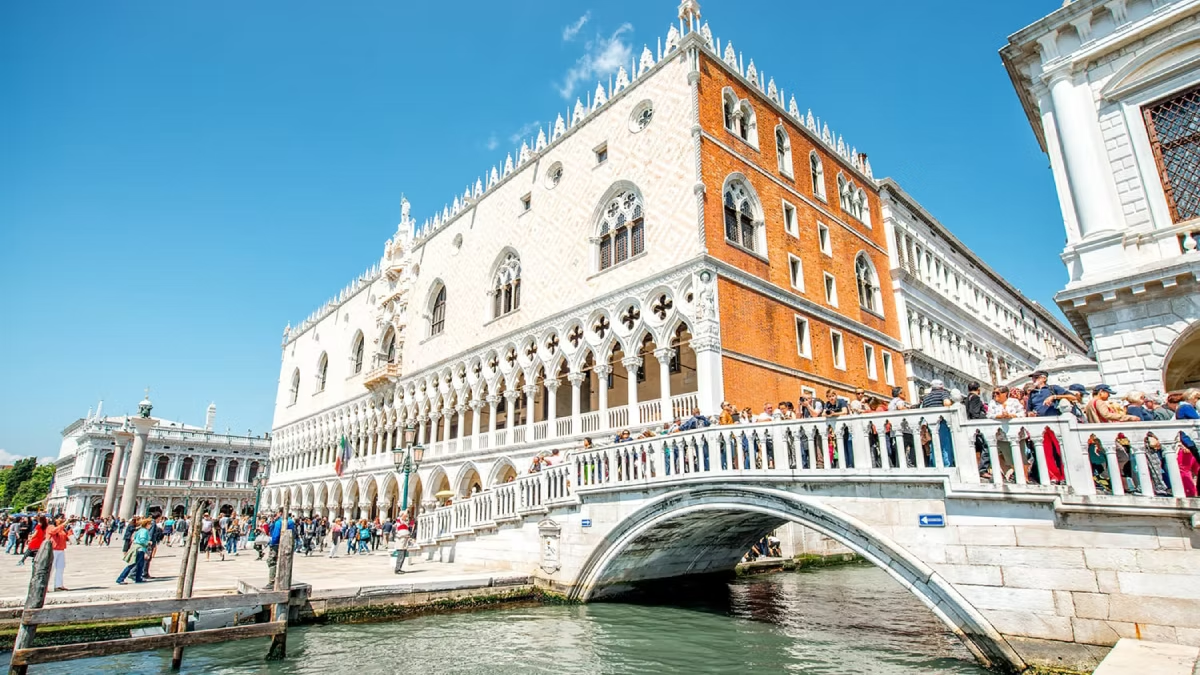
Plan Your Visit
Opening hours, best times to visit, directions, maps, and practical visitor information.
Explore planning guides →Frequently Asked Questions
Common questions about what to see and prioritise.